.webp)

New HVAC Benefits Beyond Comfort: What Minneapolis-Saint Paul Homeowners Gain Beyond Temperature Control
The new HVAC benefits beyond comfort are broader than most homeowners realize — and for families in the Minneapolis-Saint Paul metro, where winters are brutal and summers can be surprisingly humid, the stakes are higher than just staying warm or cool.
Here is a quick look at what a modern HVAC upgrade actually delivers:
| Benefit | What It Means for You |
|---|---|
| Lower energy bills | High-efficiency systems can cut heating and cooling costs by up to 30% |
| Better indoor air quality | Advanced filtration removes dust, pollen, pet dander, and mold spores |
| Improved humidity control | Balanced moisture levels protect your health and your home's structure |
| Stronger resale value | Buyers pay more for homes with updated, efficient mechanical systems |
| Fewer repairs | Newer systems are more reliable and backed by stronger warranties |
| Smarter controls | Smart thermostats and zoning reduce energy waste automatically |
| Environmental impact | Lower electricity use means a smaller carbon footprint |
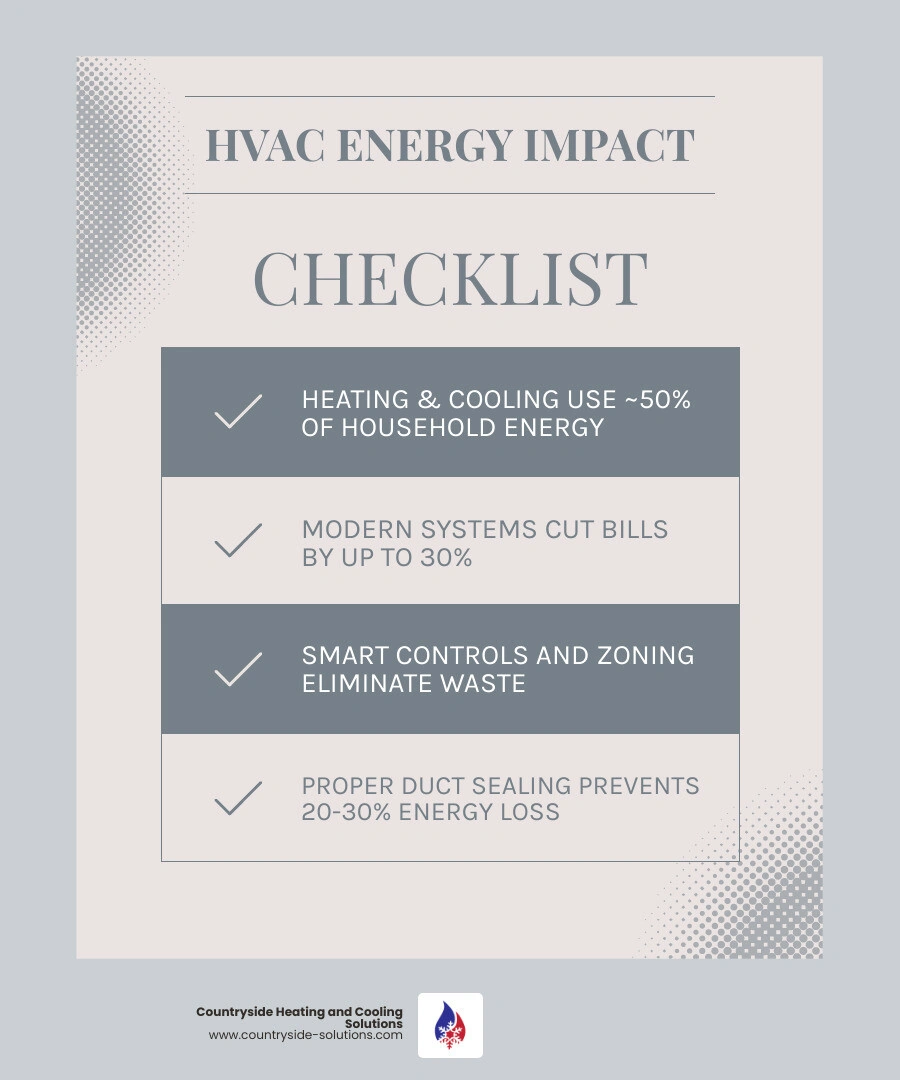
Most people think of their HVAC system as a comfort tool — something that keeps the house warm in January and cool in July. But heating and cooling account for nearly half of a typical home's total energy use, making it the single biggest energy expense most households carry. When that system is aging or inefficient, the costs go beyond a higher utility bill. Air quality suffers. Humidity swings. Repairs pile up. And the home becomes harder to sell.
A modern HVAC system addresses all of that — not just the temperature on the thermostat. The sections below break down exactly where those gains come from, so you can make a confident, informed decision about your home.
1) New HVAC Benefits Beyond Comfort Start With Lower Energy Waste
A new HVAC system does not magically print money in your basement, but it can stop a lot of waste.
Because heating and cooling use nearly half of a typical home's energy, even modest efficiency improvements can have a noticeable impact. In our Minneapolis-Saint Paul area climate, where furnaces work hard for months and air conditioners still see real summer demand, wasted energy adds up fast.
Why newer systems use less energy every day
Modern equipment is built to do more with less. Depending on the system type, you may see efficiency ratings such as SEER2 for cooling, AFUE for furnaces, and HSPF2 for heat pumps. Higher ratings generally mean the system delivers the same heating or cooling using less energy.
That matters because older systems often run in a simple on-or-off pattern. Newer systems may use:
- Variable-speed blowers
- Inverter-driven compressors
- Variable-capacity heating and cooling
- Better controls that adjust output to real-time demand
Instead of blasting at full power all the time, these systems can ramp up and down as needed. That means less energy waste, steadier indoor temperatures, and often quieter operation too.
For many homes, replacing an older inefficient system with a high-efficiency unit can reduce heating and cooling bills by up to 30%. That is one of the biggest new HVAC benefits beyond comfort, especially when utility bills tend to spike during temperature extremes.
The hidden efficiency gains from ducts, airflow, and installation quality
The equipment is only part of the story. A high-efficiency system installed poorly can perform like a mediocre one. That is why design and installation quality matter so much.
Research shows the average home can lose about 20% to 30% of the air moving through ductwork because of leaks, gaps, and poor connections. If conditioned air is escaping into an attic, crawl space, or wall cavity, you are paying to heat or cool spaces nobody lives in. That is not a lifestyle upgrade. That is a donation program for your ductwork.
We focus on details that directly affect performance, including:
- Duct sealing
- Airflow balancing
- Correct refrigerant charge
- Static pressure checks
- Proper system commissioning
- Matching the equipment to the home's actual needs
Windows and insulation matter too. Heat gain and heat loss through windows can account for roughly 25% to 30% of residential heating and cooling costs. So while a new HVAC system can improve efficiency, pairing it with better air sealing and insulation often boosts the results.
| Older HVAC Habit | Modern Efficiency Upgrade |
|---|---|
| Single-stage equipment running full blast | Variable-speed or inverter technology that adjusts output |
| Leaky ducts | Sealed and tested ductwork |
| Guesswork sizing | Professional load calculation and proper sizing |
| Manual thermostat use | Smart scheduling and occupancy-based control |
| Skipped maintenance | Seasonal tune-ups and performance checks |
How smart thermostats and scheduling reduce avoidable run time
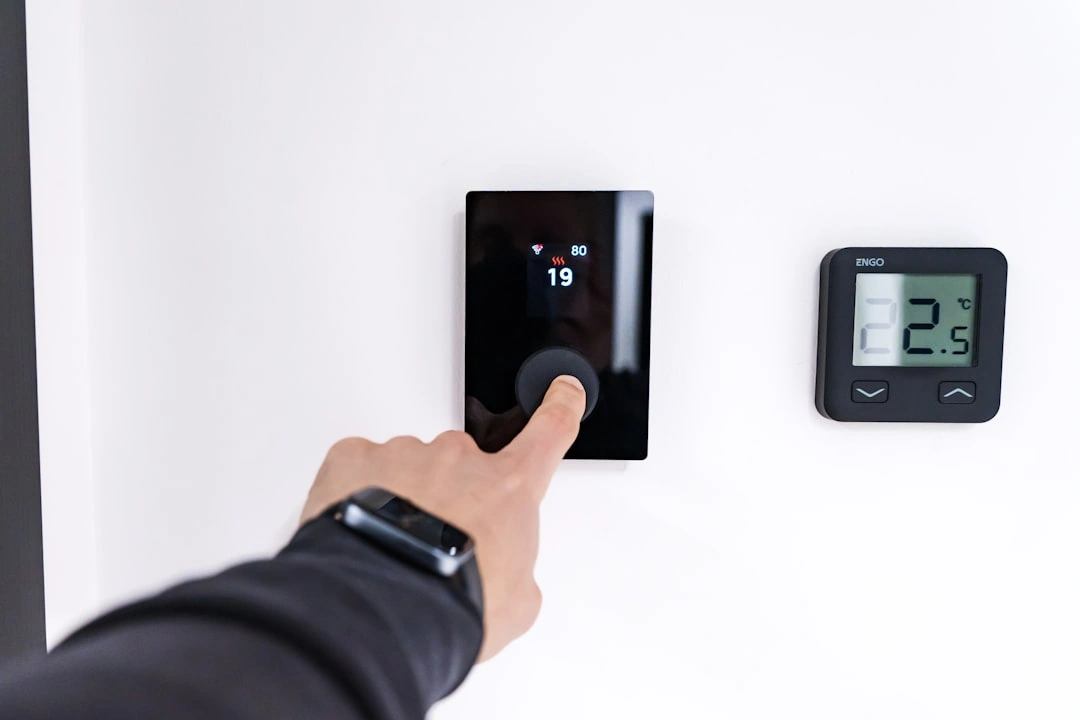
Smart thermostats help newer HVAC systems work smarter, not harder. They can create daily schedules, reduce conditioning when you are away, and allow remote adjustments from your phone.
Strategic thermostat setbacks can save up to 10% annually on heating and cooling costs. In real life, that means you do not have to heat an empty house to daytime comfort levels or cool bedrooms like it is bedtime at 10 a.m.
When smart thermostats are paired with zoning, the gains can be even better. You can focus conditioning where people actually spend time rather than treating every room the same. That helps reduce unnecessary run time, system wear, and energy waste.
2) The Financial Return of New HVAC Benefits Beyond Comfort
Comfort is nice. Reliability is nice. Lower waste is nice. But many homeowners really want to know: does a new system make financial sense over time?
In many cases, yes.
Better efficiency can offset ownership costs over time
A newer system can improve your long-term value in several ways at once:
- Lower monthly utility bills from improved efficiency
- Fewer service calls compared with an aging system
- Reduced risk of major breakdowns during extreme weather
- Longer equipment life with proper maintenance
- Warranty protection on newer components
A professionally installed HVAC system can often last 15 to 25 years with routine maintenance. That lifespan matters because an older system usually becomes more burdensome to own before it completely fails. It may still run, but it often runs inefficiently, needs more repairs, and delivers less predictable performance.
Regular maintenance helps protect those long-term savings. If you want to see how tune-ups fit into efficiency, our article on how professional AC service can reduce energy bills explains why service is not just preventive, but practical.
Incentives homeowners should look for in 2026
Homeowners in our area should also ask about incentives that can reduce the hurdle of upgrading. In 2026, the most common categories to review include:
- Federal tax credits for qualifying high-efficiency equipment
- Utility rebates for eligible HVAC upgrades
- Manufacturer promotions when available
- Financing options that spread payments over time
- ENERGY STAR qualified systems that may meet incentive requirements
Programs change, and eligibility depends on the equipment, efficiency level, and installation details. That is why we recommend checking current requirements before you choose a system. A better installation plan often starts with understanding which incentives apply to your home.
A newer HVAC system can strengthen resale value and buyer confidence
Buyers notice old mechanical systems. So do home inspectors.
A newer HVAC system can support resale value because it signals that the home has been maintained and that the next owner may face fewer immediate replacements. Energy-efficient systems also appeal to buyers who are thinking about utility bills, reliability, and ongoing maintenance.
Even when a buyer does not know much about HVAC, they understand the value of "recently replaced" and "high efficiency." Updated heating and cooling equipment can make a listing more attractive and reduce one more point of negotiation during a sale.
For a deeper look, see our article on how a new HVAC system increases home value.
3) Health and Air Quality Advantages Homeowners Often Overlook
This is one of the most underrated parts of an HVAC upgrade. Your system does not just move hot or cold air. It also affects what is in that air.
Cleaner air is one of the biggest new hvac benefits beyond comfort
Modern HVAC systems can support better filtration and cleaner indoor air, especially when paired with the right accessories. Improved filtration can help capture:
- Dust
- Pollen
- Pet dander
- Mold spores
- Other airborne particles
That can be especially helpful for households dealing with allergies, asthma triggers, or general dust buildup. Better filtration does not turn your home into a hospital lab, but it can absolutely reduce the everyday particle load circulating through your rooms.
Depending on your home's needs, we may recommend upgraded filters, whole-home air purification, or both. If you want to learn more, visit our resources on improving indoor air quality and whole-house air purification in Minnetonka, MN.
Better indoor air may also have an indirect financial benefit. When indoor air is cleaner and moisture is better controlled, some households experience fewer irritation-related issues such as poor sleep, dry sinuses, or airborne allergen aggravation. We should be careful not to promise medical outcomes, but healthier indoor conditions can support everyday wellness.
Better humidity control can support comfort, health, and the home itself
Humidity deserves more attention than it gets.
Air that is too dry can lead to dry skin, irritated throats, static electricity, and stress on wood furnishings or flooring. Air that is too humid can encourage microbial growth, musty odors, and a clammy feeling even when the thermostat says everything is fine.
Newer HVAC systems often provide better humidity management than older ones, especially when combined with:
- Whole-home humidifiers
- Dehumidifiers
- Variable-speed equipment
- Smarter blower control
Balanced humidity supports comfort, but it also helps protect your home and improve air quality. For more on this topic, see why use a humidifier during summer, do I need humidification, and whole-home humidifiers in Wayzata, MN.
Ventilation upgrades help remove stale air and dilute pollutants
A tightly sealed home can be efficient, but it can also trap stale air and indoor pollutants if ventilation is inadequate. That is where fresh-air systems come in.
Ventilation upgrades such as ERVs and HRVs help exchange stale indoor air with fresher outdoor air while reducing energy waste. These systems can help dilute indoor contaminants, manage moisture, and create a healthier indoor environment.
That is especially important in homes where people cook often, use cleaning products regularly, have pets, or spend a lot of time indoors. Better ventilation can support indoor air quality by reducing the buildup of:
- VOCs from household products
- Excess moisture
- Odors
- Stale air pockets
You can read more in our related posts on enhancing IAQ with ventilators, air-to-air exchangers and the indoor environment, and the impact of AC service on health.
4) System Design Choices That Maximize Savings for Years
A new system is only as good as the plan behind it. Equipment selection matters, but design decisions are what turn efficiency potential into real-world performance.
Proper sizing prevents short cycling, wasted energy, and premature wear
Bigger is not always better in HVAC. In fact, oversized systems are a common cause of poor performance.
If a system is too large, it may short cycle, meaning it turns on and off too often. That wastes energy, increases wear, and can leave humidity poorly controlled. If a system is too small, it may run too long and struggle to keep up during peak conditions.
Proper sizing starts with a real load calculation that looks at your home's layout, insulation, windows, orientation, and other factors. That kind of planning helps us match the equipment to the home so it can run in an efficient, stable pattern.
Benefits of proper sizing include:
- Better humidity control
- More consistent temperatures
- Reduced strain on components
- Improved efficiency
- Longer equipment life
Zoning can reduce conditioning in unused rooms
Zoning is one of the most practical ways to reduce unnecessary energy use, especially in larger homes or homes with uneven temperatures from floor to floor.
A zoning system uses dampers and separate controls to direct heating and cooling where it is needed. Instead of treating the entire home as one giant room, zoning allows room-by-room or area-by-area control.
Research shows zoning systems can lead to energy savings of 21% to 42% while also reducing system wear. That is a major advantage for households with:
- Finished basements
- Sunrooms
- Upper floors that run warmer
- Guest rooms used occasionally
- Different comfort preferences between family members
Zoning also improves comfort without forcing the whole house to follow one thermostat's opinion. And let us be honest, one thermostat in the hallway should not be the ruler of every room in the kingdom.
Maintenance protects efficiency and extends equipment life
Even the best system needs upkeep. Dust buildup, clogged filters, dirty coils, and minor airflow issues can chip away at efficiency over time.
Routine maintenance helps protect system performance by addressing things like:
- Filter replacement
- Coil cleaning
- Drain line inspection
- Electrical checks
- Refrigerant performance
- Blower and airflow adjustments
The payoff is simple: better efficiency, fewer repairs, and a better chance of reaching the full lifespan of the equipment. If you want a closer look at that connection, our post on professional AC service reducing energy bills is a helpful next read.
Here are a few efficiency boosters homeowners should keep in mind:
- Replace filters on schedule
- Seal duct leaks
- Use smart thermostat setbacks
- Keep vents unobstructed
- Schedule seasonal maintenance
- Improve insulation and air sealing
- Address window heat gain and heat loss
- Consider zoning where room usage varies
- Add humidity control or ventilation if needed
5) Environmental Benefits and Future-Ready HVAC Technology
A new HVAC system can also make your home more future-ready. That means lower environmental impact today and better compatibility with tomorrow's technology.
Why efficient HVAC upgrades are also better for the environment
When your HVAC system uses less electricity or fuel to do the same job, it reduces overall environmental impact. Lower energy use typically means lower greenhouse gas emissions tied to home operation.
This matters on both the household and global level. In 2022, cooling equipment consumed an estimated 5,000 terawatt-hours of electricity worldwide, and demand is projected to grow sharply by 2050. That makes efficient cooling and heating upgrades part of a much bigger picture.
For homeowners, the environmental benefits usually show up through:
- Reduced electricity consumption
- Lower fuel use
- Less wasted conditioned air
- Improved control over run time
- More efficient all-electric options such as heat pumps
Heat pumps, advanced dehumidification, and VRF are shaping what comes next
Several technologies are pushing HVAC efficiency forward.
Cold-climate heat pumps are becoming an increasingly important option for homes that want high efficiency and electrification benefits. They can provide heating and cooling in one system and are especially attractive when paired with smart controls.
VRF systems are another advanced option, using variable refrigerant flow to deliver highly targeted comfort to different zones. These systems are known for precise control and strong efficiency in applications where different areas of a home or building have different needs.
Advanced dehumidification is evolving too. One emerging technology uses specialized materials to remove moisture more efficiently instead of overcooling air and then correcting it later. In commercial applications, this approach has shown energy savings around 40% compared with conventional packaged systems. While that technology is still developing, it points to where HVAC is headed: better moisture control with less wasted energy.
Connected controls make future upgrades easier
Connected HVAC controls are more than a convenience feature. They also help homes adapt to future improvements.
Newer systems may include:
- Wireless room sensors
- Temperature and humidity monitoring
- Remote diagnostics
- Real-time energy tracking
- Smart home integration
- Occupancy-based adjustments
These features help homeowners understand how their system is performing and make smarter decisions about energy use. They can also support easier upgrades later, because the system is already designed to communicate with modern controls and accessories.
In other words, future-ready HVAC is not just about shiny new hardware. It is about giving your home a better operating system.
Frequently Asked Questions About New HVAC Benefits Beyond Comfort
Do new HVAC systems really save that much energy?
They can, especially when the old system is significantly outdated or inefficient. Replacing an older system with a high-efficiency unit can reduce heating and cooling bills by up to 30%. The biggest savings usually come when the upgrade also includes proper sizing, quality installation, sealed ducts, and smart thermostat settings.
Can a new HVAC system help with allergies and dust?
Yes. Better filtration, improved airflow, controlled humidity, and optional purification features can reduce airborne dust, pollen, pet dander, and similar particles. Ventilation upgrades can also help by bringing in fresh air and diluting indoor pollutants.
What should homeowners prioritize besides the equipment itself?
The short list is:
- Proper sizing
- Installation quality
- Duct condition
- Airflow design
- Zoning where appropriate
- Ongoing maintenance
- Indoor air quality add-ons when needed
These factors often have just as much impact on long-term performance as the equipment brand or efficiency rating.
Conclusion
The biggest new HVAC benefits beyond comfort come down to value you can feel in daily life: lower energy waste, cleaner air, healthier humidity levels, fewer repairs, stronger resale appeal, and technology that is ready for the future.
For homeowners across Maple Plain and the greater Minneapolis-Saint Paul metro, an HVAC upgrade is not just about staying warm in winter or cool in summer. It is about making the home more efficient, more dependable, and easier to live in year after year.
As a family-owned company founded in 1974, Countryside Heating and Cooling Solutions helps homeowners make those upgrades with experienced guidance, quality workmanship, and solutions tailored to the way homes in our area actually perform. Our licensed, NATE-certified technicians provide heating, cooling, and indoor air quality solutions designed for lasting comfort and reliability. If you are ready to explore your options, learn more about our HVAC services or contact us today to take the next step toward a healthier, more efficient home.
